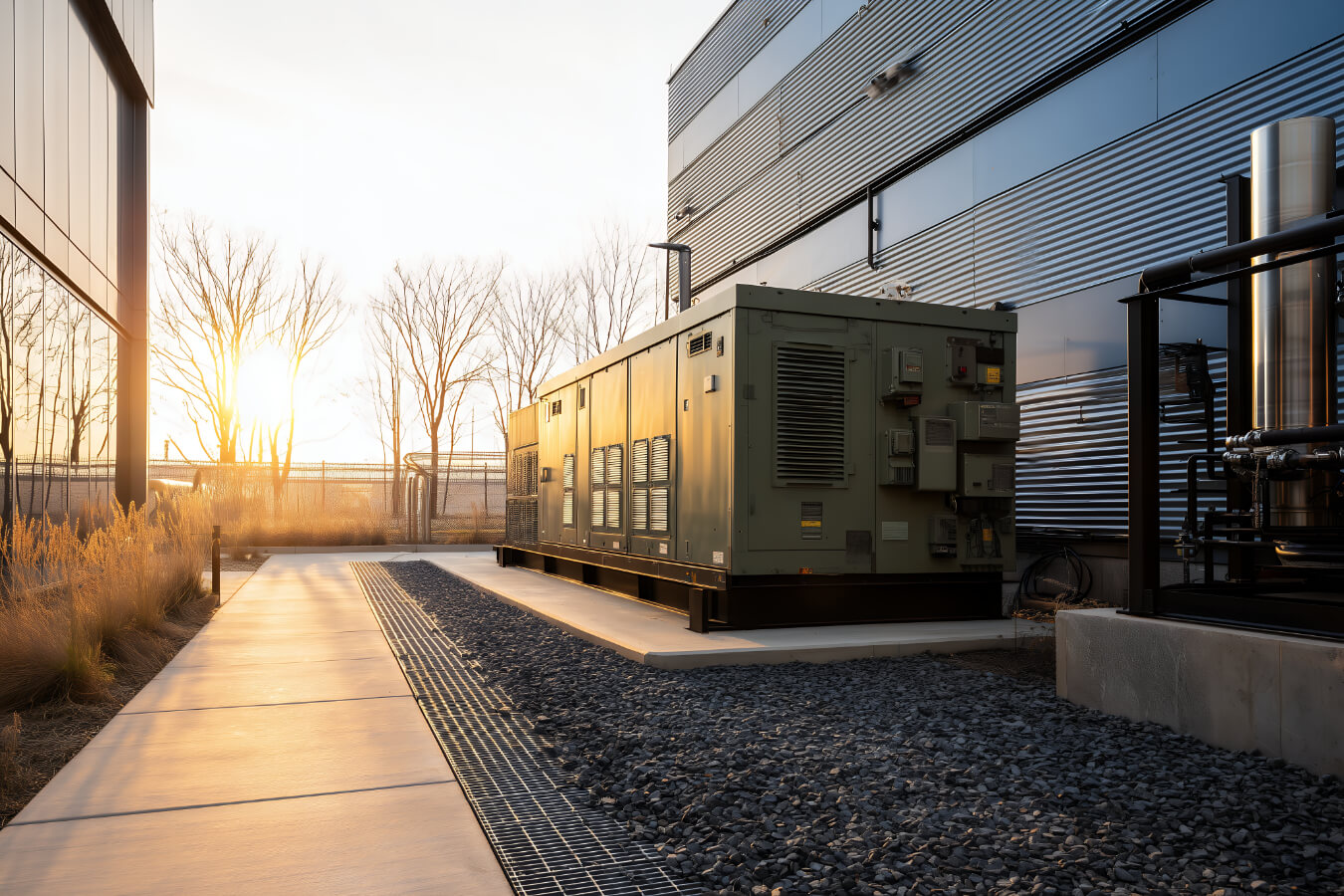
How does Generator Maintenance Prevent Backup Power Failures?
Generator maintenance prevents backup power failures by identifying and correcting issues before an outage occurs. Regular inspections, testing, fuel quality management, battery checks, and system documentation help ensure generators, transfer switches, and supporting components operate correctly when utility power is lost.
For facilities across Columbia and the Midlands, backup power systems often sit idle for long periods of time. While this is normal, it also means problems can develop unnoticed. Batteries degrade, fuel quality declines, electrical connections loosen, and critical components wear over time. Without a proactive maintenance program, these issues are often discovered at the worst possible moment: during a power outage.
At Triple T Critical Power Services, we help facilities reduce operational risk through proactive generator maintenance, testing, and reliability-focused service programs designed to keep backup power systems ready when they are needed most.
Why Backup Power Systems Fail
When people think about generator failures, they often assume the generator itself is the problem.
In reality, backup power systems are made up of multiple components that must work together during an outage. A failure in any one of those components can leave a facility without power.
Common failure points include:
- Weak or failed batteries
- Fuel contamination
- Automatic Transfer Switch (ATS) issues
- Cooling system failures
- Electrical connection problems
- Sensor and control system faults
- Lack of routine testing
Most of these failures develop gradually over time rather than appearing suddenly.
The good news is that many of them can be identified and corrected through proactive maintenance.
The Battery: One of the Most Common Failure Points
One of the leading causes of generator failure is battery failure.
When utility power is lost, the generator's battery provides the energy required to start the engine. If the battery is weak, damaged, or unable to hold a charge, the generator may never start. This is particularly important in South Carolina, where summer heat can accelerate battery deterioration.
Over time, batteries can experience:
- Reduced capacity
- Corrosion at terminals
- Internal damage
- Charging system issues
Because batteries often appear normal until failure occurs, routine testing is critical.
Regular battery inspections and load testing help identify potential problems before they impact system performance.
Fuel Quality Matters More Than Many Facilities Realize
Another major cause of generator reliability issues is fuel degradation.
Many commercial generators spend months or even years operating only during testing or occasional outages. During that time, stored fuel can deteriorate.
Fuel-related issues may include:
- Water contamination
- Sediment buildup
- Microbial growth
- Oxidation
- Clogged filters
These issues can reduce engine performance, restrict fuel flow, and create startup problems.
A generator can be mechanically sound and fully maintained, but contaminated fuel can still prevent reliable operation during an outage.
This is why fuel quality management should be part of every proactive maintenance strategy.
Routine inspections, fuel testing, and fuel polishing services can help facilities maintain confidence in their backup power systems.
Automatic Transfer Switches are Just as Important as the Generator
Many facility managers focus on generator maintenance while overlooking the Automatic Transfer Switch (ATS).
The ATS is responsible for detecting utility power loss and transferring the facility's electrical load to generator power.
Without a properly functioning ATS:
- Power may not transfer
- Critical systems may remain offline
- Downtime may continue even if the generator starts successfully
In some situations, the generator may be running while the building remains without power because the transfer never occurs.
Routine ATS inspections and testing help verify:
- Proper communication between systems
- Correct transfer timing
- Mechanical operation
- Electrical integrity
Because the ATS is such a critical part of the backup power system, it should always be included in maintenance and testing programs.
Why Regular Testing Is Essential
One of the biggest misconceptions in backup power is the belief that a generator is ready simply because it started during its last exercise cycle.
Starting is important, but starting alone does not verify complete system readiness.
Routine testing helps confirm:
- Generator startup performance
- ATS functionality
- Voltage and frequency stability
- Alarm operation
- System communication
- Overall reliability
Testing allows technicians to identify developing issues before they become failures.
It also provides facilities with confidence that their system will perform when it is called upon during an actual outage.
The Importance of Inspections
Generator systems contain numerous components that require ongoing observation and evaluation.
Routine inspections often include reviewing:
- Battery condition
- Fluid levels
- Belts and hoses
- Cooling systems
- Fuel systems
- Exhaust systems
- Electrical connections
- Control panels
These inspections help identify wear, corrosion, leaks, contamination, and other issues that could impact reliability.
Many failures that occur during outages could have been detected months earlier through a structured inspection program.
Documentation Supports Long-Term Reliability
Maintenance is not just about performing service. It's also about documenting system performance over time.
Accurate maintenance records help facilities:
- Track equipment condition
- Identify recurring issues
- Plan future repairs
- Demonstrate compliance
- Support operational decision-making
Documentation can reveal trends that would otherwise go unnoticed.
For example, repeated battery voltage issues, increasing engine temperatures, or recurring alarm conditions may indicate larger problems developing within the system. A proactive maintenance program includes both physical service and detailed documentation.
Why Proactive Maintenance Matters for Midlands Facilities
Facilities throughout Columbia and the Midlands face unique reliability challenges. Summer heat places additional stress on batteries and cooling systems. High humidity can contribute to corrosion and electrical issues. Severe storms and utility interruptions create situations where backup power systems may be required to operate for extended periods.
For healthcare facilities, municipal operations, manufacturers, commercial properties, and critical infrastructure, generator reliability is not optional. The difference between a successful outage response and a costly failure often comes down to preparation.
Facilities that invest in proactive maintenance reduce risk, improve reliability, and gain confidence in their backup power systems.
Partnering with Triple T Critical Power Services
At Triple T Critical Power Services, we understand that backup power systems are critical infrastructure.
Our team provides proactive maintenance, inspections, testing, troubleshooting, and long-term support for facilities across Columbia and the Midlands.
Our goal is simple:
Help facilities identify problems before outages reveal them. Because when utility power fails, there is no time for troubleshooting. Your backup power system needs to perform immediately.
Reliable power starts proactively.
Your power. Our mission.
Frequently Asked Questions
How does generator maintenance prevent backup power failures?
Generator maintenance prevents failures by identifying issues such as weak batteries, fuel contamination, electrical problems, and transfer switch faults before an outage occurs.
How often should commercial generators be maintained?
Maintenance schedules vary based on equipment type, operating conditions, and regulatory requirements. Most commercial generators benefit from routine inspections, testing, and scheduled service throughout the year.
What is the most common reason a generator fails to start?
Battery failure is one of the most common causes of generator startup failure. Weak batteries, corrosion, and charging system issues can prevent the generator from starting during an outage.
Can old fuel cause generator problems?
Yes. Fuel can degrade over time, leading to contamination, clogged filters, reduced performance, and startup issues.
Is generator testing necessary if the generator already runs regularly?
Yes. Starting a generator does not verify complete system performance. Testing helps confirm that the generator, ATS, and supporting systems work together properly under operating conditions.
-1.png)
.png)